
Alright, look – cricket scoring system explained, right from my messy couch setup here in the US where I’m still figuring this sport out one confused glance at a time. It’s March 2026 already (time flies), and I’m sipping lukewarm coffee, dog hair everywhere, trying to make sense of why scores look like 245-6 instead of a clean baseball-style number. Honestly, I used to think it was just fancy British math or something, but nah, once you break down the cricket scoring system, it’s actually pretty logical… until extras start piling up and ruin your brain.
Why Cricket Scoring System Still Trips Me Up Every Damn Time
I’m no expert – grew up yelling at NFL games, not cricket streams – but I’ve watched enough late-night matches on ESPN+ or YouTube highlights to kinda get it. The cricket scoring system explained basically tracks two big things: runs (how many points the batting team racks up) and wickets (how many batters the fielding team has gotten out). Hit 10 wickets and the innings ends, no matter how many runs are on the board. Simple enough on paper, but when you’re half-watching while folding laundry, it feels like chaos.
Last weekend I had the game on while making tacos – score was cruising at 120-2 after 20 overs in a T20, and I thought “cool, they’re killing it.” Then a couple quick wickets and it was 135-5. Felt like the momentum flipped in seconds. That’s the cricket scoring system for you – runs build slow then explode, wickets crash the party fast.
Core Parts of the Cricket Scoring System Explained (My Non-Expert Version)
Here’s what actually matters when you’re staring at the screen like I do:
- Runs from the bat — Batter smacks it, they run back and forth between wickets. Each full crossing = 1 run. They can steal 2 or 3 if the throw’s bad (or if they’re reckless idiots, which happens).
- Boundaries — Ball reaches the rope on the bounce? 4 runs. Clears it clean? 6 runs, crowd goes nuts. These are the fireworks that make short formats addictive.
- Extras — The sneaky freebies. Wide ball (too far outside), no-ball (bowler oversteps), byes (misses bat and keeper), leg byes (hits body). Each gives a run plus usually an extra delivery. I used to get mad thinking “that’s cheating!” but now I see how one sloppy over can gift 15 runs.
Score reads like runs-wickets overs, e.g., 289-4 (45.3). 289 runs, 4 down, 45 full overs plus 3 balls into the 46th. Chasing side needs more than that total to win (or exactly that in some formats, but ties are rare drama).
For a cleaner official take, I always check sites like ESPNcricinfo or the ICC page – they have live scorecards that actually make sense once you’re used to it.

Cricket Scoreboard Template of Sport Game Match Stock Vector – Illustration of screen, cricket: 215124841
This digital LED scoreboard shot is exactly what pops up on my TV – those bright orange-yellow numbers for runs and overs, wickets smaller. I screenshot stuff like this all the time to zoom in and count.
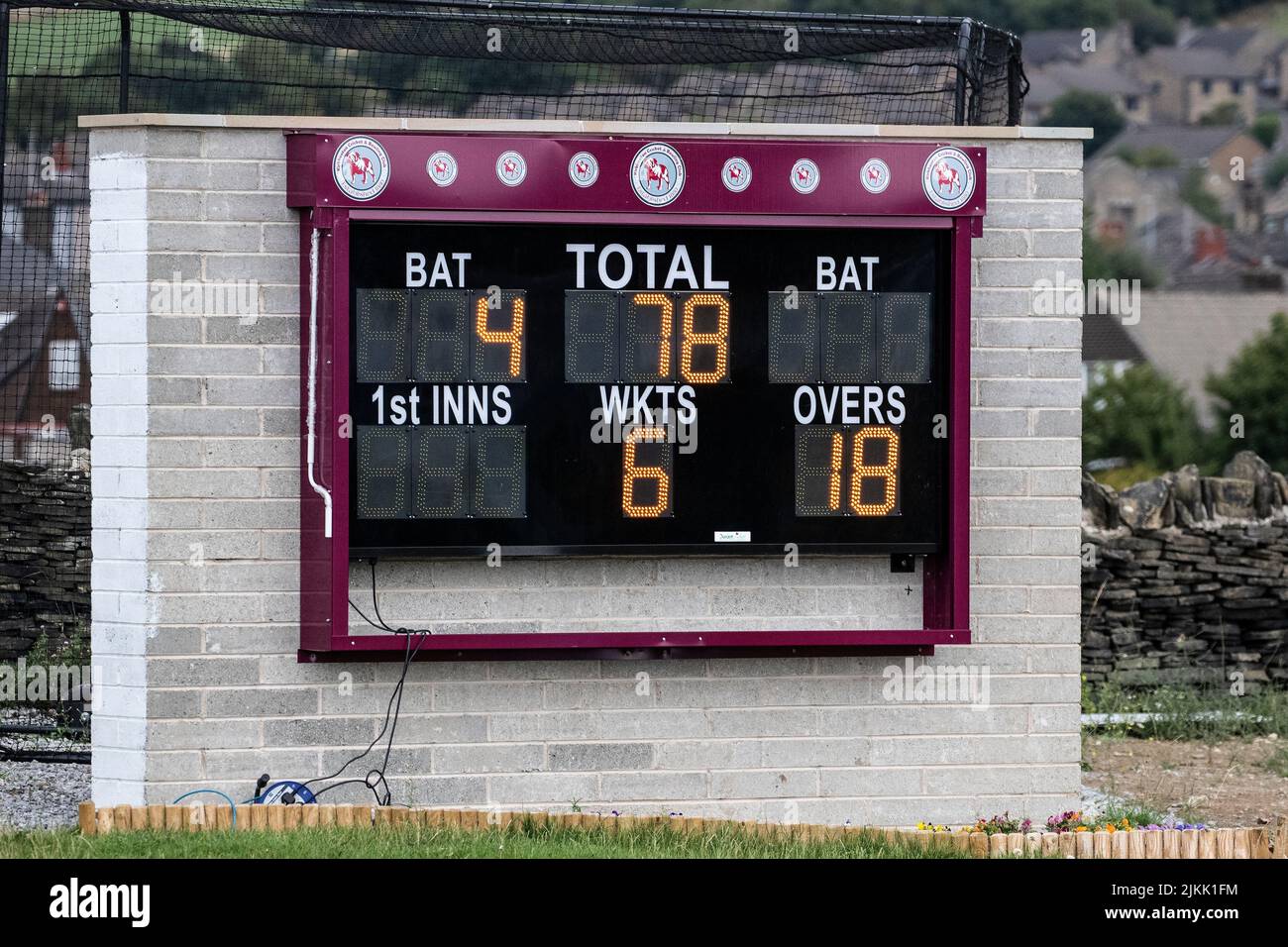
Cricket scoreboard hi-res stock photography and images – Alamy
Outdoor one here – real grass, that village-match feel. Makes me wish cricket had more pickup games around here instead of just niche leagues.
LED Electronic Cricket Scoreboards | LED Scoreboards
Another big electronic board from a school ground or something – love the detailed player names and required runs showing. That’s the full chaos of a chase.
The Dumb Stuff I Still Do Wrong With Cricket Scoring
Real talk: I celebrated a six like it won the game once, forgetting they were 80 runs short with 5 wickets left. Nope. Also thought “maiden over” was some polite British thing – nah, just no runs off six balls. Embarrassing. And extras? I texted my friend “why does the bowler get punished for a wide?” He just replied “welcome to cricket, dude.”
Quick Tips From One American Still Learning Cricket Scoring System
- Stick to T20 or Big Bash highlights first – games end quick, scores move fast, easier to follow without losing your mind.
- Keep cricbuzz.com or espncricinfo open on your phone – their live scorecard updates beat the TV delay sometimes.
- Don’t sweat run rate at first; just watch runs climb and wickets drop.
- If you’re like me and get bored during test matches, fast-forward to the last 10 overs – that’s where the real scoring drama hits.
So yeah, that’s my messy, imperfect take on the cricket scoring system explained. Still not perfect – I miss stuff, yell at bowlers, spill beer sometimes – but it’s growing on me. If you’re new and confused too, you’re not alone. Hit me with questions in the comments, or tell me your own dumb moments watching this sport. Maybe we can laugh about it together.