
Alright, here we go again—common cricket rules explained, because apparently one rewrite wasn’t enough to make me sound like I actually know what I’m talking about. I’m parked on my couch right now, feet up on the coffee table that’s got last night’s pizza box still sitting there (don’t judge, it’s been a week), iced tea sweating rings into the wood, and I’m half-watching some highlights on YouTube because the full matches are just… too much sometimes.
Like, I swear I thought I had this after the last time I tried. Watched a T20 game, felt kinda smart for five minutes, then boom—someone mentions “LBW appeal” and I’m back to square one, googling like a maniac while the dog stares at me like I’m losing it. (Which, fair.)
Why Common Cricket Rules Still Mess With My Head as an American
Baseball’s my comfort zone—nine innings, clear outs, hot dogs, the whole patriotic deal. Cricket though? It’s this sprawling thing that feels like it was designed to test how patient you can be. The field’s massive oval, no foul lines really, and the pitch is just this 22-yard strip of dirt in the middle with three stumps at each end. Bowler runs in (no mound, just grass), slings the ball—usually red, shiny, hard as hell—aiming to hit those stumps. Batsman stands there with this wide, flat bat trying to whack it or block it.
- Two guys batting at once. One faces the bowler, the other hangs out at the opposite end like “yeah, I’m just here for moral support.”
- They run between the wickets for runs—each full trip back and forth is one run. Nail it to the boundary rope? Four. Over it on the full? Six. Easy points.
- But get dismissed (out), and you’re toast. Team keeps going till 10 wickets down or overs finish.
I still catch myself thinking “just hit a homer already” and then remember… there are no homers. Just boundaries. Sigh.
Common Cricket Rules on Scoring—Where I Usually Tune Out
Scoring feels endless sometimes. Runs from running, sure, but also extras: no-ball (bowler steps over the line—free run plus another ball), wide (ball too far to reach—same deal), byes (misses bat and keeper), leg byes (off the body). I watched one over where they snuck like seven runs off extras alone and I was like “is this allowed?!”
Dismissals are savage:
- Bowled — stumps get smashed, bails fly. Satisfying if you’re the bowler.
- Caught — ball grabbed before it bounces. Classic out.
- LBW — leg before wicket. Ball hits your leg, would’ve hit stumps. Umpires decide. People lose their minds over this one.
- Run out — fielder hits the stumps while you’re mid-sprint. Heart attack fuel.
- Stumped — keeper pulls bails if you leave your crease.
I once saw a run-out by literally a millimeter and screamed at my phone. Neighbors probably think I’m nuts.
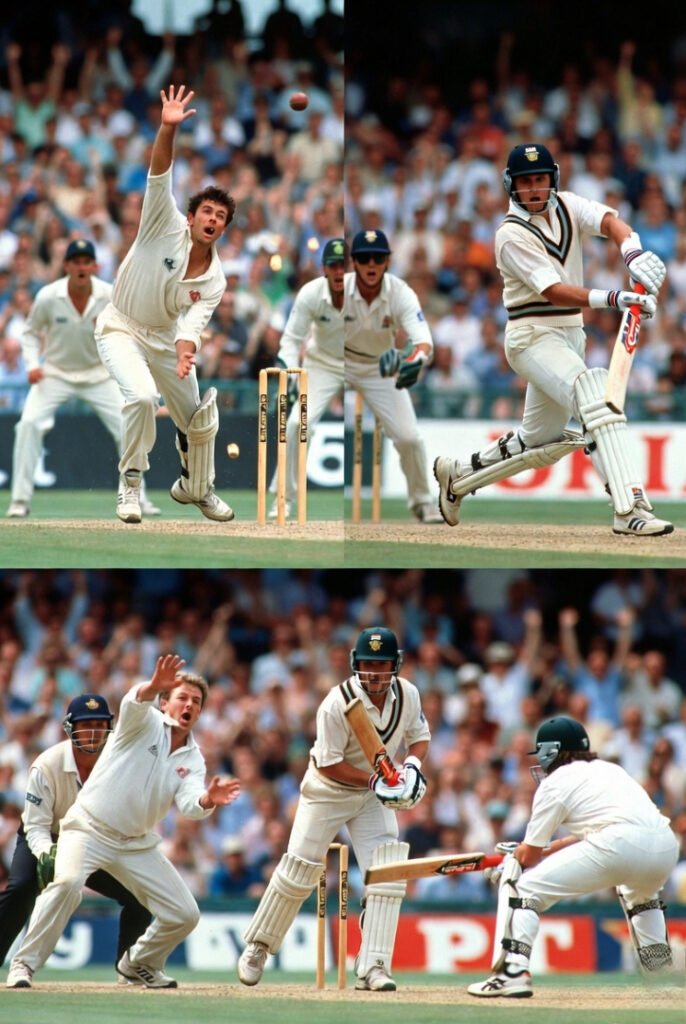
75 Bails Fly Wicket Royalty-Free Images, Stock Photos & Pictures | Shutterstock
(That’s what a proper bail explosion looks like—pure chaos. Caught that one in a highlight reel and paused it like ten times.)
How Innings Work and Why Games Can Last Forever
Formats confuse me most:
- Test cricket — up to five days. Two innings each side. Endurance sport.
- ODI — 50 overs per team. One day.
- T20 — 20 overs. Quick, explosive, closest to baseball energy.
An over = six balls. Bowlers switch ends after each over. Teams bat, then bowl, try to outscore the other. Simple on paper, but the tactics? Deep.
Tried showing this to my roommate—he lasted ten minutes before “so no timeouts? No commercials?” and wandered off to play Call of Duty. Can’t blame him.
My Embarrassing Cricket Learning Moments (Yes, More of Them)
- Thought a “duck” was some mascot till I learned it’s zero runs. Golden duck = out first ball. Brutal.
- Kept calling the bowler the “pitcher.” Got side-eye from a friend who actually plays.
- Mixed up silly mid-on with deep fine leg. Fielding positions are like a foreign language.
But honestly? The more I watch, the more I like the slow-burn drama. A good spell of bowling or a big partnership feels earned. Still yell “come on!” at the screen like it matters.
For the real rules, not my rambling version, hit up the official ICC site or Lords MCC Laws. Way better than my half-baked explanations.
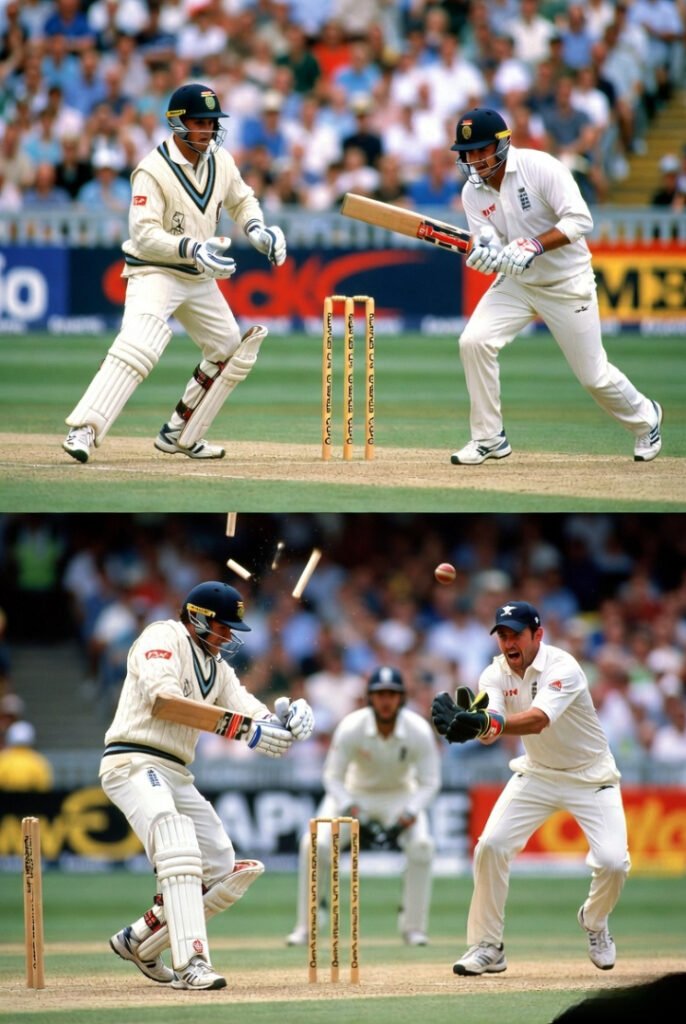
Cricket Pitch with Aligned Stumps Ready for Match. Red Cricket Ball Rests Near Stumps. Green Grass Field, Background Show Trees. Stock Illustration – Illustration of sport, green: 354579049
(That’s the classic setup—stumps, red ball, green field. Looks peaceful till someone starts swinging.)
Anyway, I’m still figuring common cricket rules out, one confused Google search at a time. If you’re American and as lost as me, or if you’ve got some pro tip that doesn’t make me feel dumb, drop it below. What’s the one rule that trips you up most? Let’s commiserate. Or if you’ve converted fully to cricket, tell me how—because I’m teetering. Cheers. 🍻