
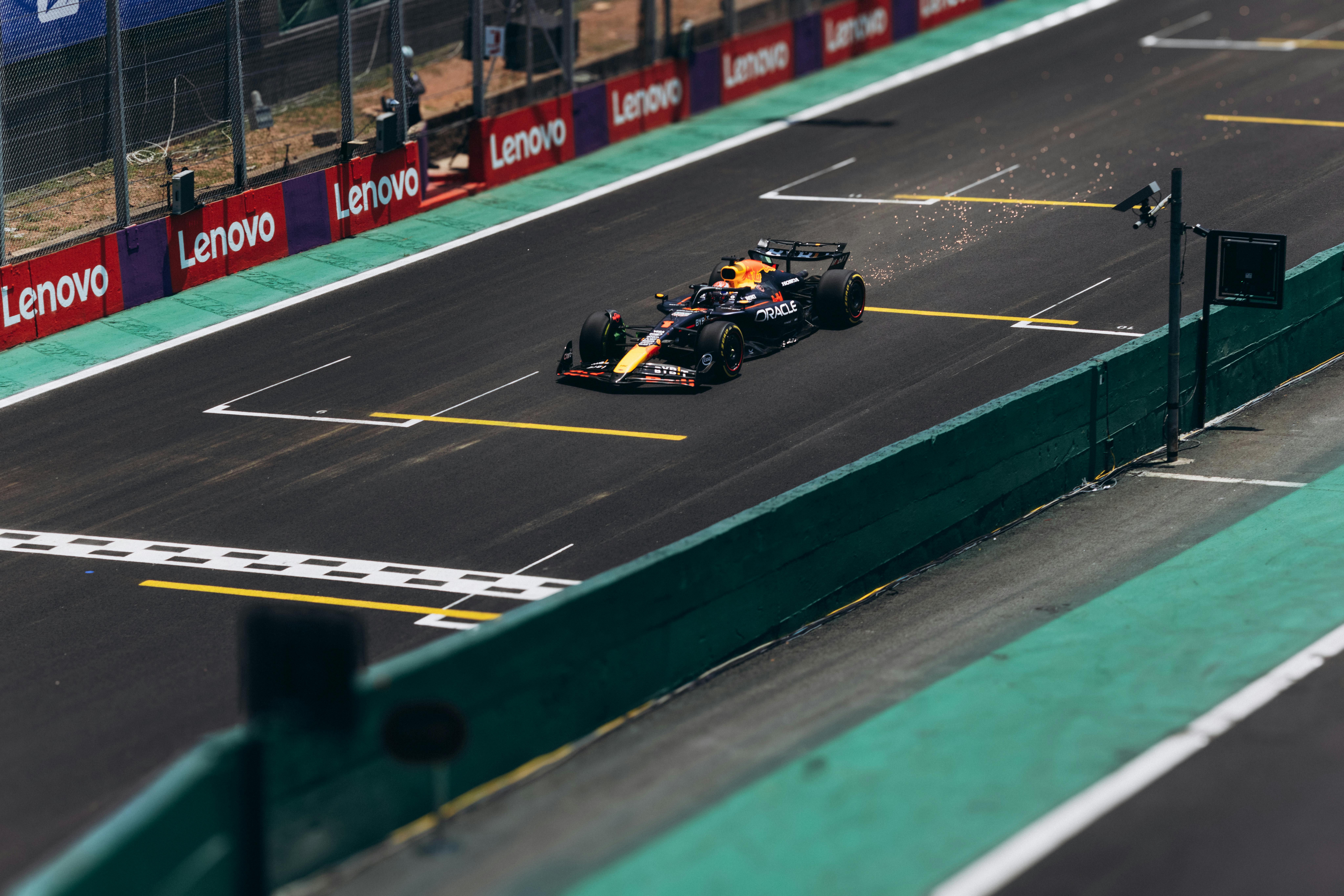
The year 2026 marks a seismic shift in Formula 1, ushering in groundbreaking regulations focused on sustainable power units, active aerodynamics, and a renewed emphasis on driver skill. This comprehensive guide dissects the F1 2026 rules, explores their impact on teams and racing, and, crucially, empowers you to maximize your fan experience. Discover the best F1 tickets, premium F1 TV subscriptions, and exclusive F1 travel packages to immerse yourself in the sport's most thrilling evolution yet.
Introduction to the Topic
Welcome to the precipice of a new era in Formula 1. As we stand in 2026, the motorsport world is buzzing with anticipation and speculation surrounding the most radical regulatory overhaul in decades. The FIA and Formula 1 management have meticulously crafted a new rulebook designed to push the boundaries of sustainability, enhance competitive parity, and deliver even more exhilarating on-track action. This isn't just a tweak; it's a fundamental reimagining of what a Formula 1 car can be, how it's powered, and how it races.
From revolutionary power units burning 100% sustainable fuels to a dynamic aerodynamic package that promises to make overtaking more prevalent, the 2026 regulations are set to redefine the sport's landscape. For the ardent fan, this presents both a fascinating intellectual challenge – understanding the nuances of the new technology – and an incredible opportunity to experience Formula 1 in ways never before possible. Whether you're planning your pilgrimage to a Grand Prix, upgrading your digital viewing experience, or simply seeking to understand the future of speed, this article is your essential guide to navigating the thrilling world of F1 2026.
Backgrounds & Facts
The genesis of the 2026 regulations lies in Formula 1's commitment to a carbon-neutral future and a desire to attract new manufacturers while simultaneously levelling the playing field. The key pillars of these changes revolve around the Power Unit, Chassis, and Aerodynamics.
The Power Unit Revolution: More Electric, Less Complex, Fully Sustainable
- Sustainable Fuels: Perhaps the most significant change is the mandate for 100% sustainable fuels. This isn't just a greenwashing exercise; these fuels are developed from non-food-based biomass, municipal waste, or captured carbon, ensuring a dramatic reduction in the sport's carbon footprint. This commitment resonates with global environmental goals and positions F1 as a leader in advanced propulsion technology.
- Enhanced Electrical Power: The MGU-H (Motor Generator Unit – Heat) has been removed, simplifying the power unit and reducing development costs. In its place, the MGU-K (Motor Generator Unit – Kinetic) will see a substantial increase in electrical power output, boosting it from 120kW to an impressive 350kW. This means nearly 50% of the power unit's output will come from electrical energy, making energy recovery and deployment a crucial strategic element.
- Reduced Fuel Flow: To compensate for the increased electrical power and to encourage efficiency, the maximum fuel flow rate will be reduced. This places a greater emphasis on powertrain efficiency and intelligent energy management throughout a race.
- Cost Cap for Power Units: To ensure financial sustainability and prevent an arms race, a cost cap has been introduced for power unit manufacturers, fostering innovation within tighter budgetary constraints.
Chassis & Aerodynamics: Lighter, Smaller, and Active
- Smaller, Lighter Cars: The 2026 cars are designed to be shorter, narrower, and lighter than their predecessors. This aims to improve agility, reduce drag, and make them more suitable for a wider range of circuits, potentially leading to closer racing.
- Active Aerodynamics: This is a game-changer. Cars will feature movable front and rear wings, allowing drivers to switch between two aero modes: 'Z-Mode' (a standard, higher downforce configuration) and 'X-Mode' (a low-drag mode for straights). This dynamic adjustment will not only improve top-end speed but is specifically designed to facilitate overtaking by reducing the aerodynamic wash experienced by following cars. Imagine DRS, but integrated much more fundamentally into the car's design and strategy.
- Simplified Front Wing: The front wing will be narrower, reducing the disruptive wake effect on cars behind, further aiding in closer racing.
These factual changes underscore a clear vision: a more sustainable, cost-effective, and exciting Formula 1. The convergence of advanced hybrid technology with smart aerodynamics promises a spectacle unlike anything we've witnessed before.
Expert Opinion / Analysis
The F1 paddock is a hive of activity as teams, engineers, and strategists grapple with the implications of the 2026 regulations. Leading F1 analysts, such as Martin Brundle and Ted Kravitz, predict a significant shake-up in the pecking order. "The removal of the MGU-H and the massive increase in electrical power will fundamentally alter how these cars are driven and raced," notes one prominent engineering consultant. "Energy management will be paramount, and the drivers who can best integrate battery deployment with combustion engine output will gain a critical edge."
Team principals are cautiously optimistic but acknowledge the immense challenge. Christian Horner (Red Bull Powertrains) has emphasized the "clean slate" aspect, suggesting that teams with a strong understanding of hybrid systems and efficient energy recovery will be at an advantage. Toto Wolff (Mercedes-AMG Petronas F1 Team) highlighted the strategic complexities introduced by active aerodynamics: "Drivers will need to master the art of switching modes, understanding when to sacrifice downforce for speed, and how to use it to defend or attack. It adds another layer of tactical genius to the race."
The consensus is that the new rules will initially lead to a period of flux, with some teams inevitably finding loopholes or innovative interpretations that give them an early advantage. The increased reliance on electrical power and sustainable fuels also means that the engine manufacturers – Mercedes, Ferrari, Red Bull Ford Powertrains, and Alpine – will be under immense pressure to deliver robust and efficient units. Their success will dictate the fortunes of their customer teams.
For the fans, the outlook is overwhelmingly positive. The active aero, in particular, is seen as a genuine solution to the 'dirty air' problem, promising more wheel-to-wheel action and less reliance on single-lap qualifying pace. The lighter cars should also be more agile, making for a more dynamic visual spectacle. While the initial learning curve for teams might be steep, the long-term goal of closer, more sustainable, and ultimately more thrilling racing seems well within reach.
💰 Best Options in Comparison (VERY IMPORTANT)
With the dawn of F1 2026, there's never been a better time to immerse yourself fully in the world of Formula 1. Whether you prefer the roar of the engines trackside or the comfort of your living room, here are the best options to experience the new era, optimized for your purchasing intent and maximum enjoyment.
Option 1: Live Race Experience – Grand Prix Tickets & Travel Packages
Nothing beats the adrenaline of a live Formula 1 Grand Prix. For 2026, securing your F1 tickets early is paramount, especially with renewed global interest in the sport's sustainable future. Consider:
- Official F1 Ticket Platforms & Authorized Resellers: Websites like F1Tickets.com (official F1 outlet) or reputable partners such as Motorsport Tickets, Gootickets, and P1 Travel offer various grandstand, general admission, and hospitality packages. Prices vary wildly by circuit and package, but expect a general admission ticket for a European race to start from €150-€300 for the weekend, while grandstand seats can range from €400-€1000+.
- F1 Experiences Packages: For the ultimate immersion, F1 Experiences provides premium packages including grandstand seating, pit lane walks, paddock access, driver appearances, and exclusive parties. These are significantly more expensive (starting from €1,500 to €10,000+ per person) but offer unparalleled access.
- Specialized F1 Travel Agencies: Companies like Grand Prix Tours or bespoke travel agencies curate all-inclusive packages covering flights, accommodation, transfers, and tickets. While often pricier, they remove the hassle of planning and often include unique local experiences. This is ideal for those seeking convenience and a seamless travel experience.
Pro Tip: Book 6-12 months in advance for popular races (Monaco, Silverstone, Austin) to secure the best seats and accommodation rates. Look for packages that include hotel and transfers to simplify your trip.
Option 2: Premium Digital Access – F1 TV Pro
For those who can't make it to every race, or simply want the most comprehensive digital experience, F1 TV Pro is indispensable for 2026. It offers:
- Live & On-Demand Race Coverage: Stream every session live, with multiple camera angles (including all 20 driver onboards), team radio, and live timing data.
- Extensive Archive: Access to a vast library of classic races, documentaries, and exclusive content.
- Multi-Language Commentary: Choose your preferred commentary team.
- Price: Typically an annual subscription costs around €60-€80, with monthly options also available. This offers incredible value for money given the depth of content.
Consider: Pairing F1 TV Pro with a high-quality large screen TV and sound system to replicate the immersive feeling of being trackside.
Option 3: F1 Merchandise & Memorabilia
Show your allegiance and celebrate the new era with official F1 and team merchandise. The 2026 cars will undoubtedly inspire new collections:
- Official F1 Store & Team Stores: Purchase replica team wear, driver caps, scale models of the new 2026 cars, and exclusive F1 2026 themed gear. Prices range from €30 for a cap to €150+ for a team shirt, and hundreds for high-quality scale models.
- Collectibles: Look out for limited edition prints, signed memorabilia, or even pieces of actual F1 car parts (often available through specialized auction sites), celebrating the technological shift.
Comparison Table: Maximizing Your F1 2026 Experience
| Feature | F1 TV Pro | Official F1 Tickets (Grandstand) | F1 Hospitality Package | F1 Travel Agency Tour |
|---|---|---|---|---|
| Cost Range (Approx.) | €60-€80/year | €400-€1000+ (per person/weekend) | €1,500-€10,000+ (per person/weekend) | €1,000-€5,000+ (per person/weekend, incl. travel/hotel) |
| Immersion Level | High (digital control, multiple feeds) | Very High (trackside atmosphere, sound, smell) | Extremely High (premium views, exclusive access) | High (seamless experience, local flavor) |
| Convenience | Excellent (anywhere, anytime) | Moderate (requires planning, travel) | Good (often includes amenities) | Excellent (all-inclusive, stress-free) |
| Exclusivity | Low (mass market) | Moderate (specific seating) | Very High (paddock, driver access) | Moderate to High (curated groups) |
| Best For | Daily F1 news, live race analysis, budget-conscious fans | Experiencing the raw power & atmosphere of F1 | VIP treatment, unparalleled access, corporate hospitality | Hassle-free Grand Prix travel, bundled services |
Outlook & Trends
The 2026 regulations are not merely a waypoint but a pivotal moment in Formula 1's long-term trajectory. The commitment to 100% sustainable fuels positions F1 at the forefront of automotive innovation, promising technological spin-offs that could impact road cars globally. This move is crucial for attracting new automotive giants and maintaining relevance in an increasingly environmentally conscious world.
Looking ahead, we can expect several trends to emerge:
- Increased Manufacturer Interest: The simplified power unit rules and cost cap are designed to make F1 more appealing to new entrants, potentially leading to more engine suppliers and greater competition in the coming years.
- Driver Adaptation: The active aerodynamics will demand a new level of driver skill and adaptability. Those who can master the dynamic aero modes and sophisticated energy recovery systems will shine brightest.
- Data & AI Dominance: With complex energy management and active aero, the role of real-time data analysis and artificial intelligence in optimizing car performance and race strategy will become even more critical. Teams will invest heavily in these areas.
- Fan Engagement Evolution: Expect enhanced digital experiences leveraging the new car data, perhaps even interactive elements where fans can "predict" aero mode changes. Esports will likely see a surge in popularity as virtual F1 mirrors the real-world technical complexities.
- Global Footprint Expansion: As F1 continues to prioritize sustainability, it opens doors to new markets and regions eager to host events that align with green initiatives.
The 2026 regulations are a forward-looking statement, ensuring Formula 1 remains the pinnacle of motorsport while embracing its responsibility for a sustainable future. The sport is not just adapting; it's leading.
Conclusion
The F1 2026 season represents a thrilling new chapter for the pinnacle of motorsport. With its revolutionary sustainable power units, dynamic active aerodynamics, and a renewed focus on competitive racing, the stage is set for an era of unprecedented excitement and technological advancement. For fans, this isn't just about watching races; it's about being part of a movement, witnessing history, and experiencing the future of speed.
Whether you choose to feel the raw power trackside with premium F1 tickets and hospitality, dive deep into the data and strategy with an F1 TV Pro subscription, or simply don your team's colors with the latest merchandise, there are countless ways to engage with the F1 2026 revolution. Don't just observe; immerse yourself. Plan your Grand Prix adventure, upgrade your viewing experience, and get ready for a season that promises to be nothing short of spectacular. The future of Formula 1 is here, and it's calling your name.