
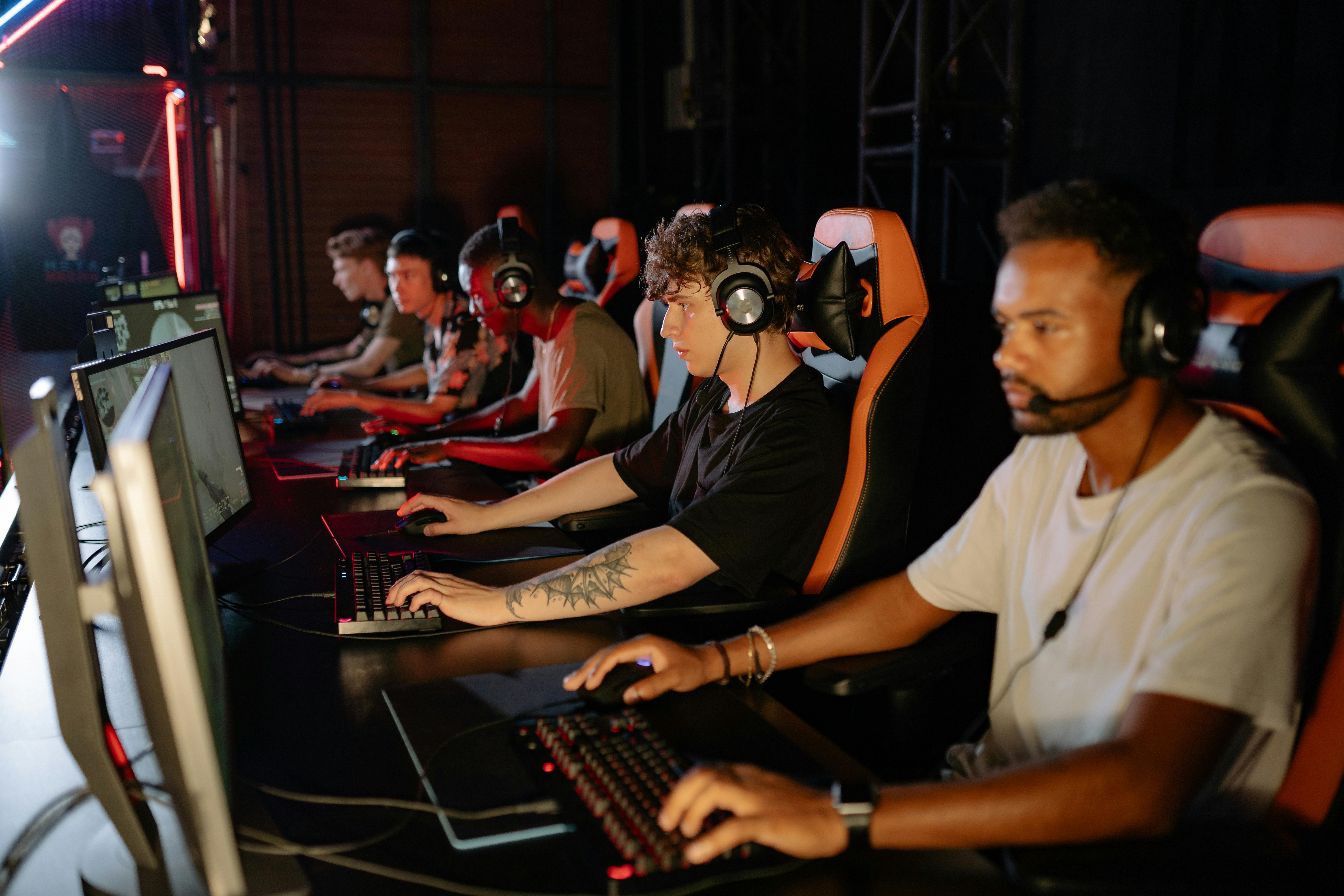
Competitive games are adjusted regularly by their developers, and each adjustment can invalidate months of preparation. Adapting quickly is a distinct professional skill.
Balance changes alter the value of everything
A patch adjusts numbers: damage, cooldowns, movement speed, resource costs. Individually these look minor, and collectively they redefine which strategies are viable.
Because elements interact, a change to one item can make an entirely different tactic strong for reasons the developers did not intend.
Professional teams therefore do not read a patch note and conclude anything directly. They test, because second-order effects dominate first-order ones.
A tactic weakened on paper can become stronger in practice if the approach that used to punish it was weakened further, and only playing the game reveals that ordering.
The competitive advantage window is short
The team that identifies a strong new approach first can use it before opponents prepare a response, and that window is measured in days.
Once the approach appears in a broadcast match, every other team studies it, and the counter usually arrives within a tournament or two.
This creates a rhythm: discovery, exploitation, imitation, counter. Teams that consistently sit at the start of that cycle win disproportionately.
Patch timing is a competitive variable itself
Organisers decide which version a tournament runs on, and the gap between a patch going live and an event beginning determines how much preparation is possible.
A short gap rewards raw adaptability and improvisation. A long gap rewards analytical depth and structured practice.
Teams differ in which they are better at, so the schedule quietly favours some rosters over others before anyone plays.
Practice structures are built around it
Serious organisations separate their preparation into learning the patch and refining execution, and they staff those functions differently.
Analysts scan public play and lower-tier competition for approaches worth testing, because a large population finds strong ideas faster than a ten-person team can.
Scrimmage schedules are then adjusted so that the most valuable practice happens when the strategic picture is unstable rather than when it has settled.
Opponents are also studied by patch rather than by season, because a team's play from before an update describes preferences that the current rules may no longer reward.
Why developers keep changing the game
A static competitive game becomes solved, and a solved game is repetitive to watch and to play.
Patches also serve the far larger casual audience, whose enjoyment depends on variety rather than on competitive stability.
The professional scene is therefore playing a game tuned primarily for other people, and the constant recalibration is the price of the audience that funds it.