
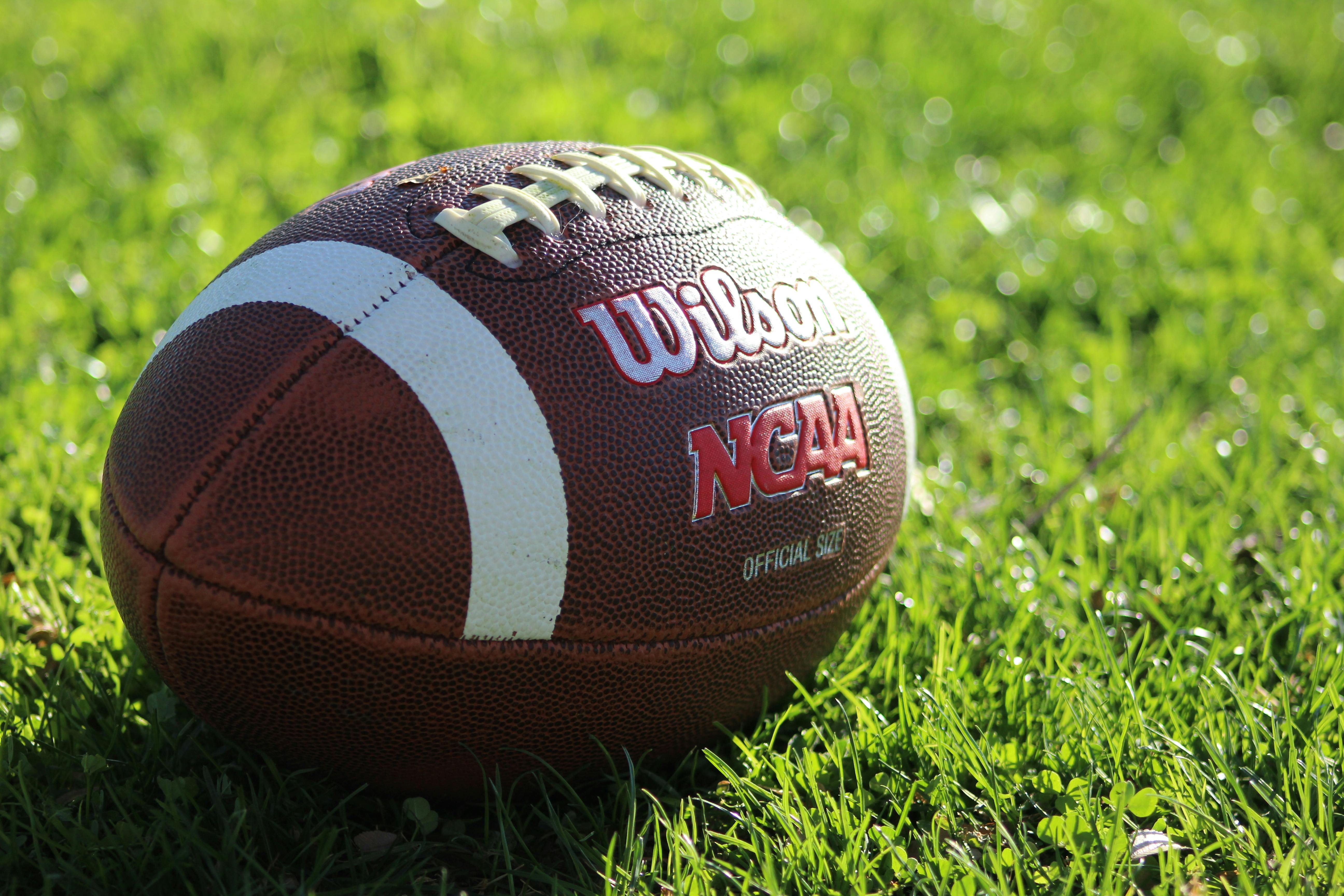
America, you thought you knew sports. You thought football was king, basketball was cool, and baseball was timeless. Think again. There's a seismic shift happening, a roar echoing from coast to coast, and it's not the Super Bowl crowd. It's the sound of a billion-dollar obsession taking root, a sport so captivating, so utterly different, it's about to rewrite your weekend plans forever. Forget the gridiron, the hardwood, and the diamond. The world's second-most popular sport is no longer a distant whisper; it’s a full-blown phenomenon, exploding onto the American scene with a fervor that’s catching everyone off guard. Are you ready to witness history, or will you be left wondering what just happened?
🔥 What's Happening Right Now
The air in America is buzzing with an unfamiliar yet electrifying energy. From bustling city centers to quiet suburban parks, the thwack of willow on leather is becoming an increasingly common sound. This isn't just a niche pastime anymore; it's a cultural tidal wave, and its name is cricket. For decades, it was the "gentleman's game" played by Commonwealth nations, a distant curiosity to the average American sports fan. But that era is over. The United States is not merely observing; it is actively embracing, hosting, and investing in a sport that commands a global audience of over 2.5 billion people. This isn't a slow burn; it's a sudden, spectacular ignition.
The catalyst for this unprecedented surge? A confluence of strategic events and organic growth. First, the arrival of Major League Cricket (MLC) in 2023 marked a pivotal moment. With state-of-the-art stadiums, star players from around the globe, and significant financial backing, MLC immediately injected a professional, high-octane version of the sport into the American consciousness. Think of it as the birth of a new major league, demanding attention and delivering thrilling spectacles. The inaugural season exceeded all expectations, drawing impressive crowds and captivating a diverse audience, proving that the appetite for cricket in the US was far greater than previously imagined.
But MLC was just the opening act. The real game-changer is happening right now: the ICC Men's T20 World Cup 2024, co-hosted by the United States and the West Indies. This isn't just a tournament; it's a global declaration. Major cities like New York, Dallas, and Lauderhill are playing host to international matches, bringing the world's elite cricketers to American soil. The atmosphere at these games is electric, a vibrant fusion of cultures, passionate fans, and world-class athleticism. For many Americans, this is their first direct exposure to the highest level of cricket, and it's proving to be an irresistible experience. The visual spectacle, the strategic depth, and the sheer excitement of T20 cricket—a shorter, faster, more explosive format—are perfectly tailored to the American desire for fast-paced, high-scoring action.
The digital landscape is amplifying this phenomenon. Streaming services have made cricket more accessible than ever, allowing fans to follow global leagues and international series from the comfort of their homes. Social media platforms are buzzing with highlights, analyses, and fan discussions, creating a vibrant online community that transcends geographical boundaries. Influencers and sports commentators, once solely focused on traditional American sports, are now dedicating significant airtime to cricket, recognizing its undeniable momentum. Celebrities, too, are taking notice, with prominent figures from entertainment and business circles attending matches and expressing their enthusiasm, lending an invaluable sheen of mainstream appeal.
Beyond the professional leagues and international tournaments, a grassroots movement is flourishing. Local cricket clubs, once predominantly serving immigrant communities, are seeing a dramatic increase in membership, with American-born players, both young and old, picking up bats and balls. Schools and youth programs are starting to introduce cricket, recognizing its potential for physical activity, teamwork, and cultural exchange. This organic growth, fueled by the professional push, creates a sustainable ecosystem for the sport's long-term success. It's a testament to the sport's inherent appeal and its ability to bridge cultural divides, offering a fresh, exciting alternative in a crowded sports market.
This isn't just a fleeting trend; it's a fundamental shift in the American sporting landscape. The narrative is no longer "Will cricket make it in America?" but "How quickly will cricket dominate a significant share of the American sports market?" The energy is palpable, the crowds are growing, and the conversation is changing. America is not just observing a sport; it's falling head over heels for its newest obsession, a billion-dollar spectacle that promises to redefine entertainment and engagement for generations to come.
💡 Financial Impact
The sudden surge of cricket in the United States isn't just a cultural phenomenon; it's an economic goldmine, poised to unlock billions of dollars in investment, revenue, and opportunity. This isn't merely about selling tickets; it's about building an entirely new sports industry from the ground up, one that leverages global appeal and American entrepreneurial spirit. The financial implications are staggering, attracting savvy investors, media giants, and local businesses alike.
At the forefront of this financial revolution are the franchise values of Major League Cricket (MLC) teams. Modeled after successful American sports leagues, these franchises represent significant investment opportunities. With team ownership stakes already valued in the tens of millions, and projections for rapid appreciation, investors are eager to get in on the ground floor. The success of MLC has demonstrated a viable business model, attracting capital from high-net-worth individuals and venture funds who recognize the untapped potential of a sport with a massive global following entering the world's largest consumer market.
Media rights are another colossal revenue stream. As viewership numbers for MLC and international tournaments like the T20 World Cup continue to climb in the US, the value of broadcasting and streaming rights is skyrocketing. Major sports networks and streaming platforms are battling for exclusive content, understanding that live sports are a critical driver for subscriptions and advertising revenue. This competition drives up the price of media deals, pouring hundreds of millions into the sport's development and further enhancing its commercial viability. The ability to deliver live, premium cricket content directly to American homes is a game-changer for revenue generation.
Sponsorships and endorsements are following suit. Global brands, recognizing cricket's immense reach and growing US audience, are actively seeking partnerships with teams, leagues, and individual players. From apparel and equipment manufacturers to technology companies and financial institutions, the advertising spend is substantial. This influx of corporate sponsorship not only provides crucial funding but also elevates the sport's profile, integrating it into mainstream marketing campaigns and making it a familiar sight across various consumer touchpoints. The potential for US-based brands to tap into cricket's global appeal is a particularly attractive proposition.
Beyond the direct revenue streams, cricket's growth is stimulating significant economic activity. The construction and renovation of world-class cricket stadiums, like the Grand Prairie Stadium in Texas or the pop-up modular stadium in New York for the World Cup, represent massive infrastructure investments, creating jobs and boosting local economies. These venues aren't just for cricket; they become multi-purpose entertainment hubs, hosting concerts, festivals, and other events, further maximizing their commercial impact.
Tourism is also receiving a substantial boost. International cricket matches, especially those featuring powerhouse teams like India, Pakistan, Australia, and England, draw thousands of passionate fans from around the world to US host cities. These visitors spend on accommodation, dining, transportation, and local attractions, injecting millions into the hospitality and retail sectors. The T20 World Cup is a prime example, transforming host cities into vibrant international destinations, showcasing America's capacity to host major global sporting events.
The merchandise market is another burgeoning area. From replica jerseys and team apparel to cricket bats, balls, and accessories, the demand for cricket-related products is surging. Online retailers and brick-and-mortar stores are expanding their inventory, catering to a growing fan base eager to show their allegiance. Fantasy sports leagues, mirroring the success of NFL and NBA fantasy platforms, are also emerging, creating a multi-million dollar industry around player statistics and fan engagement. This "passion economy" around cricket is only just beginning to realize its full potential.
Finally, the long-term financial impact includes the development of cricket academies and training facilities, fostering a new generation of American talent. This investment in grassroots development ensures a sustainable pipeline of players, further solidifying the sport's future and continuing to attract financial backing. The US cricket market, once an afterthought, is now a hotbed of opportunity, promising exponential growth and a significant contribution to the national economy for decades to come. This isn't just a sport; it's a multi-billion dollar industry taking root, offering unprecedented returns for those who recognize its immense potential.
💰 Best Options in Comparison
The explosion of cricket in America presents a myriad of opportunities, both for passionate fans looking to deepen their engagement and for shrewd investors seeking to capitalize on a rapidly expanding market. Compared to established sports, cricket offers unique entry points and growth potential. Here's a breakdown of the best options to get involved, from casual enjoyment to significant investment, presented in a clear HTML table format for easy comparison.
Understanding these avenues allows individuals and businesses to align their interests with the sport's trajectory, whether it's through direct participation, commercial ventures, or simply enjoying the thrilling spectacle.
| Option | Description | Commercial Value/Benefit | Entry Barrier |
|---|---|---|---|
| 1. Live Event Attendance (Tickets) | Experiencing matches in person at stadiums (MLC, T20 World Cup, international tours). | Supports team/league revenue, boosts local tourism/hospitality, creates memorable experiences. High demand drives premium ticket prices. | Moderate (ticket cost, travel/accommodation). Accessibility depends on location of matches. |
| 2. Streaming Subscriptions | Accessing live and on-demand cricket content through dedicated platforms (e.g., Willow TV, ESPN+, specific league passes). | Directly contributes to media rights value, provides consistent revenue for broadcasters/leagues, convenient access for fans. | Low (monthly/annual subscription fee). Requires internet access. |
| 3. Merchandise & Apparel | Purchasing team jerseys, caps, equipment (bats, balls, pads) from official stores or licensed retailers. | Significant revenue stream for teams, leagues, and manufacturers. Builds fan identity and brand loyalty. High-margin products. | Low to Moderate (cost of items). Wide availability online and in stores. |
| 4. Fantasy Cricket Leagues | Participating in online games where users build virtual teams and score points based on real-life player performance. | Drives fan engagement, creates new revenue streams for platforms (entry fees, advertising), enhances viewership of live games. | Low (small entry fees, time commitment for research). Requires platform access. |
| 5. Local Club & Grassroots Involvement | Joining or supporting local cricket clubs, youth academies, or community leagues. | Fosters local economic activity (equipment sales, facility rentals), builds community, develops future talent. Indirect commercial benefit through growth. | Low to Moderate (membership fees, equipment costs, time commitment). Direct local impact. |
| 6. Franchise Ownership/Investment (MLC) | Acquiring a stake in a professional Major League Cricket team or related ventures. | Potential for significant capital appreciation, share in league revenues (media, sponsorship), strategic influence. Multi-billion dollar market potential. | Very High (multi-million dollar investment). Requires deep pockets and strategic vision. |
| 7. Sponsorship & Advertising | Businesses sponsoring teams, leagues, tournaments, or individual players. | Brand visibility to a global and rapidly growing US audience, direct marketing opportunities, association with a dynamic sport. Targeted reach. | High (tens of thousands to millions, depending on scale). Requires marketing budget. |
| 8. Sports Betting & Wagering | Engaging in legal sports betting on cricket matches through licensed platforms. | Generates revenue for betting operators and state taxes. Drives engagement and interest in results. | Low (betting stake). Requires legal jurisdiction and responsible gambling. |
Conclusion
The narrative is clear: cricket is no longer just "coming" to America; it has arrived with a thunderous impact, shaking the very foundations of the nation's sports landscape. What was once a niche interest is rapidly transforming into a mainstream obsession, fueled by strategic investments, world-class events, and an undeniable intrinsic appeal that resonates deeply with a diverse and eager audience. The T20 World Cup 2024 and the burgeoning Major League Cricket have not just opened doors; they've blown them wide open, inviting millions to witness a spectacle that is both ancient in its tradition and thrillingly modern in its execution.
This isn't just about a new game to watch on weekends; it's about a multi-billion dollar economic engine revving to life. From the soaring valuations of professional franchises and the lucrative media rights deals to the booming merchandise market and the substantial boost to local economies through tourism and infrastructure, cricket is proving to be an unprecedented commercial opportunity. Savvy investors, brands, and entrepreneurs are already recognizing the immense potential, positioning themselves at the forefront of what promises to be one of the most significant sports growth stories of the century. The financial ripple effect extends far beyond the stadiums, creating jobs, fostering innovation, and integrating the US into a global sports economy worth trillions.
The comparison to other options reveals that whether you're a casual fan or a serious investor, there's a viable and exciting way to engage with this phenomenon. The entry barriers vary, but the rewards, both in terms of entertainment and financial returns, are universally compelling. From simply tuning into a stream or buying a team jersey to making substantial investments in league operations or local club development, the pathways to participation are numerous and accessible. This dynamic growth ensures that cricket is not a fleeting trend but a foundational addition to America's sporting fabric, poised for sustained expansion.
So, as the roar of the crowd grows louder and the boundaries are hit with increasing frequency, the message is unmistakable: ignore cricket at your peril. This isn't merely a sport; it's a cultural movement, an economic powerhouse, and the next great American obsession. The question isn't whether you'll eventually join the legions of new fans, but how soon you'll embrace the excitement. Don't be left on the sidelines wondering what happened. Dive in, experience the thrill, and become part of the most electrifying sports story unfolding in America right now. The future of American sports is being rewritten, and it's being written with a cricket bat.