
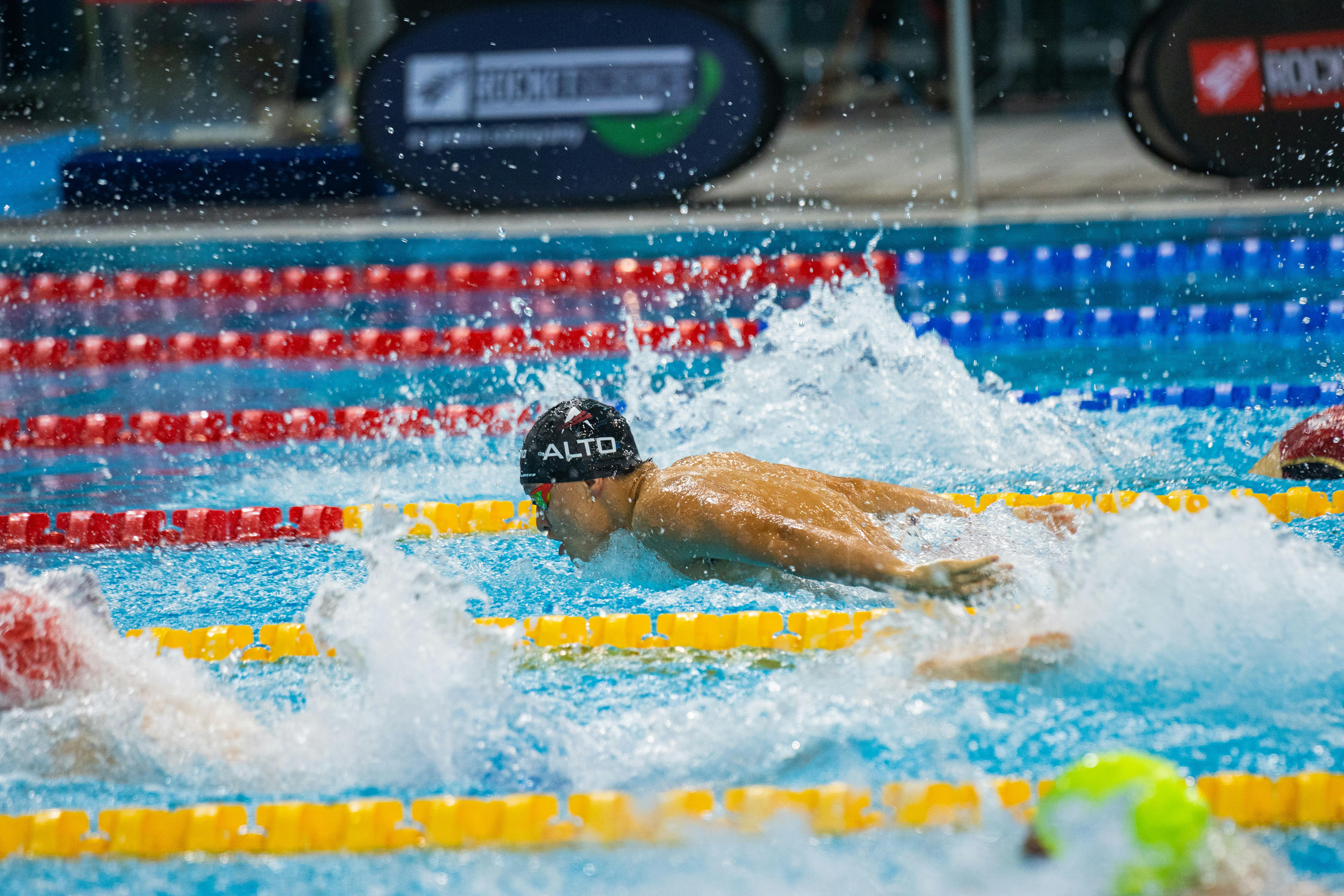
A large share of American Olympians train at universities rather than in national training centers. The country's Olympic pipeline is embedded in its education system, which is unusual worldwide.
There is no state sports ministry
Many countries fund Olympic sport through a government agency that operates training centers, employs coaches and pays athlete stipends directly.
The United States does not have that structure. Its Olympic body is a private organization, and public money is not the primary funding route for athlete development.
Universities fill the gap by default. They already own facilities, employ coaches and can support athletes through scholarships, which produces a development system without anyone designing one.
Revenue sports subsidize the rest
Athletic departments generate most of their income from a small number of sports, and that income supports the swimming, track, wrestling and rowing programs that produce Olympians.
The cross-subsidy is why a university can run a competitive program in a sport with almost no spectators or broadcast value.
It also makes those programs vulnerable. When departments cut budgets, the Olympic sports are usually first, because they do not generate the revenue that protects the larger programs.
The structure attracts international athletes too
Foreign athletes compete in American college sports in significant numbers, receiving scholarships and coaching while representing their own countries internationally.
That makes the American college system a development pipeline for other nations as well, which is an unintended export of the subsidy described above.
Programs recruit internationally because they are judged on results. A coach improving his team has little reason to weigh where a recruit's national federation is based.
Age of peak performance shapes the fit
The college model works best in sports where athletes peak in their early twenties, which aligns neatly with four years of eligibility.
Sports where peak performance comes later require a post-college structure, and athletes in those disciplines face a funding gap once eligibility ends.
Training groups attached to universities have grown to cover that gap, letting graduated athletes stay in an established environment while seeking sponsorship or federation support.
What happens when a program is cut
Eliminating a college program removes training capacity that no other institution replaces, since there is rarely a nearby club with comparable facilities and coaching.
The effect on national performance is delayed rather than immediate, appearing years later when a smaller cohort reaches senior level.
This is why national federations lobby against program cuts. The decision is made by a university on budget grounds, but the consequence lands on the country's Olympic pipeline.